
Understanding Theft Insurance: How to Protect Your Assets and Peace of Mind
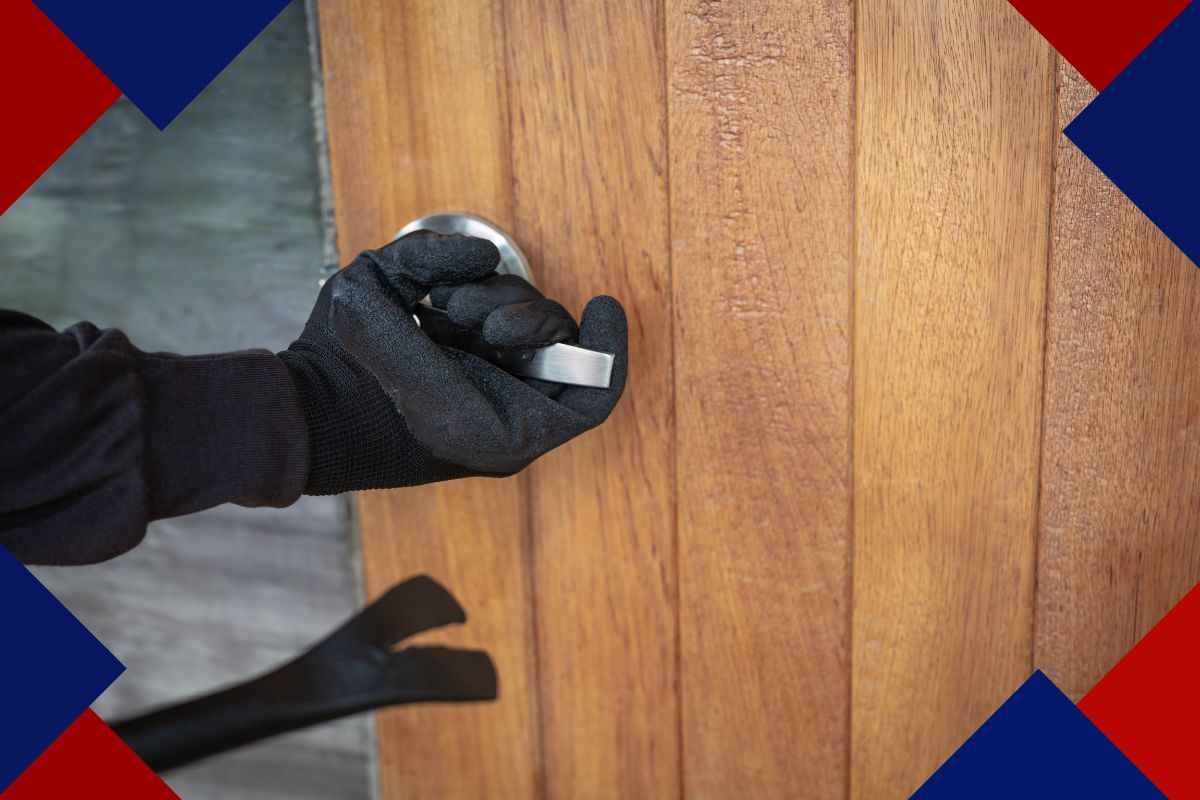
Experiencing a break-in or having your car stolen is more than just a financial loss. It is a deeply personal and emotional violation. In the United States, property crime remains a concern for many families. Replacing a stolen laptop, tools, or a vehicle out of pocket can derail your financial goals for years.
Many people assume they are on their own if a crime occurs. However, insurance is designed to be your safety net. While no policy can replace the sentimental value of an item, it can provide the cash needed to get back on your feet quickly.
This guide explores the world of theft insurance. We will look at what is covered, what is hidden in the fine print, and how to get the best value. Understanding your coverage today can save you thousands of dollars tomorrow.
What is theft insurance?
In most cases, theft insurance is not a standalone policy. Instead, it is a specific coverage found inside your homeowners, renters, or auto insurance. It pays you if your property is stolen or if a thief damages your home while trying to get inside.
Insurance companies often distinguish between “theft” and “burglary.” Burglary usually involves forced entry, like a broken window. Theft is a broader term that can include someone taking your phone in a public place. Most modern policies cover both, but you should always check your documents.
When you have this coverage, the company agrees to reimburse you for the value of the items taken. This helps you replace essential items without dipping into your emergency savings. It is a way to transfer the risk of crime from your bank account to the insurance company.
Is theft insurance worth it
One of the most common questions is: is theft insurance worth it? To answer this, look at the total value of what you own. Think about your smartphone, computer, television, and even your clothes. If you had to replace all of them today, could you afford it?
For many Americans, the cost of renters insurance is less than $20 a month. For that small price, you could have $30,000 worth of protection. When you compare the small monthly fee to the potential loss of your most expensive items, the value becomes very clear.
There is also the factor of peace of mind. Knowing that you won’t be left with nothing allows you to focus on your family and job. It turns a potential disaster into a manageable inconvenience. For most people, the financial security provided is well worth the small regular cost.
Types of policies that include theft coverage
Because theft coverage lives inside other policies, you need to know which one applies to you. In the US, there are three main ways to get this protection:
-
Homeowners Insurance: This covers your house and everything inside it. It often covers your property even when you are away from home, such as during a vacation.
-
Renters Insurance: This is for those who don’t own their home but want to protect their belongings. It is very affordable and covers theft, fire, and some water damage.
-
Comprehensive Auto Insurance: Standard insurance only covers crashes. “Comprehensive” is what pays you if your car is stolen or if someone breaks a window to steal the radio.
It is important to note that car insurance usually does not cover personal items like a laptop left inside the car. Those items are typically covered by your homeowners or renters policy, even though they were in the vehicle.
Comparing how insurance pays you
When you file a claim, the company will use one of two methods to decide how much money to give you. Understanding this is vital for your budget.
| Coverage Type | How it Works | Pros | Cons |
|---|---|---|---|
| Actual Cash Value | Pays what the item is worth today (minus wear) | Lower monthly premiums | You get less money for old items |
| Replacement Cost | Pays what it costs to buy a new version today | You can replace items fully | Higher monthly premiums |
If you have a five-year-old TV, Actual Cash Value might only give you $100. Replacement Cost would give you the $500 it takes to buy a new one. Most experts suggest choosing Replacement Cost if your budget allows it.
Common exclusions to watch out for
No insurance policy covers everything. For example, most policies have a “sub-limit” for high-value items like jewelry or expensive watches. If your policy has a $1,500 limit for jewelry but your ring is worth $5,000, you will only get $1,500 unless you buy extra coverage.
Negligence is another common exclusion. If you leave your car running with the doors unlocked and it gets stolen, the company might deny your claim. They expect you to take “reasonable care” to prevent the crime.
Business property is also treated differently. If you work from home and your business laptop is stolen, your standard policy might only cover a small portion. You may need a separate business endorsement to protect your professional tools.
Filing a theft claim: Step-by-step
If you are a victim of crime, you need to act quickly. In the US, the very first step is to call the police and file an official report. Insurance companies will almost never process a theft insurance claim without a case number.
Next, contact your insurance agent or use their app to start the claim. You will need to provide a list of what was taken. This is where having photos or receipts becomes helpful. It proves to the company that you actually owned the items.
Finally, an adjuster will review the police report and your evidence. Once approved, you will receive a check for the value of the items, minus your “deductible.” The deductible is the amount you pay out of pocket (often $500 or $1,000) before the insurance starts paying.
The importance of an inventory list
The best time to prepare for a theft is before it happens. Most people cannot remember every single thing they own during a stressful moment. Creating a home inventory list is a simple task that can save you hours of headache later.
You can use your smartphone to take a video of every room. Open your drawers and closets. If you have expensive electronics, record the serial numbers. Save this video to a cloud service so you can access it even if your phone is stolen.
While property insurance is a great tool, it is part of a larger plan. Just as you protect your belongings, you must also think about your family’s future. For instance, understanding how a survivors pension works is a key part of long-term security.
Safety tips to prevent theft
While insurance is great for recovery, it is always better to prevent the crime. Thieves look for “easy targets.” By making your home slightly harder to break into, you significantly reduce your risk.
- Install a Security System: Many US companies offer a discount on your premium if you have a monitored alarm system or smart cameras.
- Use Smart Lighting: Use timers on your lights when you are away. A home that looks occupied is much less likely to be targeted.
- Community Awareness: Join a local neighborhood watch or use apps to stay informed about crime trends in your specific ZIP code.
A little bit of prevention goes a long way. Not only does it keep your family safe, but it also helps keep your insurance rates low. The fewer claims you file, the less you will pay over time.
Where to find reliable information
When shopping for insurance in the US, it is easy to feel overwhelmed. To find the best information, look at non-profit or government sources. The Insurance Information Institute is an excellent place to start for general education and statistics.
If you have a problem with a company or want to verify their license, contact your state’s insurance department. The National Association of Insurance Commissioners provides a map where you can find the specific office for your state.
Always read reviews of a company’s “claims process.” Some companies are cheap but make it difficult to get paid. A slightly more expensive company with a reputation for fair payouts is usually the better choice.
Protecting your belongings with theft insurance is a smart move for any American household. It is a simple way to make sure that a bad day doesn’t turn into a financial catastrophe. Whether you own or rent, there is a policy that fits your budget.
Remember that insurance is about more than just money; it’s about the ability to move forward after a setback. By understanding your policy and keeping a good inventory, you are taking control of your financial life.
About the author

I’m a journalist and advertising professional with a degree in both fields, and a deep passion for music, TV shows, books, and all things pop culture. I love learning new languages and exploring the customs and cultures of different countries. What I enjoy most about working in communication is writing and creating SEO-driven content that makes information practical, accessible, and genuinely helpful for people who want to learn or stay informed.